
With age comes a number of frustrating health changes, including shifts in your hormone levels. These hormonal deficiencies can cause symptoms that drastically impact your quality of life—and no, we’re not just talking about menopause.
Perimenopause can be just as hard to live with, especially if you’re unlucky enough to experience one of the many symptoms it can cause. So what is it, and why should you seek treatment if you suspect you may be going through it?
In this blog, we’ll explore how perimenopause and menopause are different, warning signs to look out for, and the health risks of low estrogen levels you may not be aware of.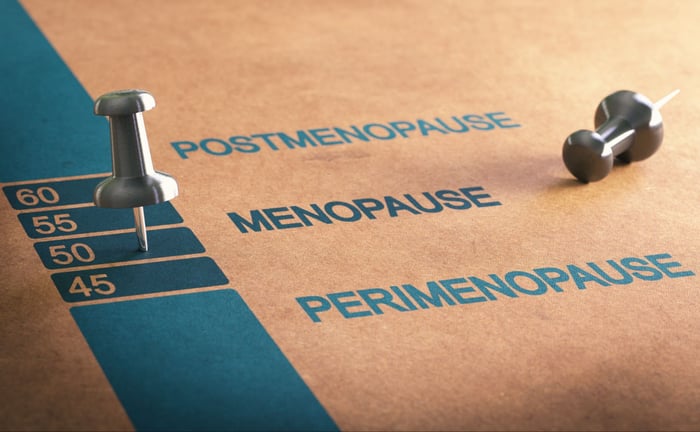
What Is Perimenopause?
We all know about menopause, the period of a woman’s life in which her ovaries stop producing hormones. But perimenopause isn’t as well recognized. In fact, perimenopause can come and go for some women without them knowing that they are experiencing it.
Perimenopause occurs several years before menopause officially begins. During perimenopause, your hormones start to fluctuate. Your estrogen levels drop, like in menopause, but then will rise again rapidly. This can lengthen or shorten your menstrual cycle or even cause you to have a cycle without actual ovulation.
The average age for menopause to occur is 52, but it can happen as early as your 40s or as late as your 60s. Once you have gone 12 months without a period, you have officially started menopause. Because the timing is difficult to predict, and perimenopause doesn’t have a clear starting point, the only way to know when you have started perimenopause is by looking at your symptoms and testing your hormone levels.

What Are The Signs That You May Be In Perimenopause?
Because your sex hormones decrease during perimenopause as well as menopause, some of the symptoms will be the same. However, perimenopause also includes periods where your hormones spike up again, which can cause additional problems you may not recognize.
- Fertility problems
- Hot flashes and night sweats
- Insomnia and difficulty sleeping
- Depression, anxiety, irritability, and mood swings
- Brain fog
- Fatigue
- Low libido
- Vaginal dryness
- Increased risk of bladder and vaginal infections
- Changes in your cholesterol levels
You can also experience heart palpitations, dizziness, itchy skin, dry eyes, and a burning sensation in the mouth.
A key sign of perimenopause is irregular periods. You might experience periods that are heavier or lighter than normal, appear at unusual times, or don’t happen at all. You have likely started perimenopause if you experience a persistent change of seven days or more in the length of your cycle. Once you have several months between periods, there’s a good chance you’re in late perimenopause.

What Can You Do If You Suspect You Have Perimenopause?
Perimenopause is a natural cycle in a woman’s life, but that doesn’t mean it’s pleasant. For many women, the symptoms of low estrogen can have a significant impact on their quality of life. You may feel exhausted all the time, snap at family members, struggle to focus at work, and have to schedule more frequent visits with your doctor.
Low estrogen levels can also leave you more vulnerable to certain health conditions. These can include:
- Osteoporosis: Estrogen plays a key role in bone growth by stimulating osteoblasts, cells that make bones. When your estrogen levels drop, your risk of fractures increases. Restoring estrogen levels protects you from breaks and prevents osteoporosis from occurring.
- Heart disease: Before menopause, women actually have a lower risk of heart disease than men. This is because estrogen decompresses blood vessels, keeping them relaxed and open so blood easily passes through. Estrogen also reduces your cholesterol level, which helps prevent clogged arteries. When estrogen production decreases, those benefits also go away.
- Stroke: With high cholesterol, fatty deposits in your arteries keep blood from flowing to the brain. These can form a clot, causing a stroke. Higher estrogen levels reduce your cholesterol and help prevent clots from forming.
- Lead poisoning: Did you know that lead is stored in your bones? Throughout your life, you’re exposed to lead through a number of sources, from your drinking water to the food you eat. When your bones break down during menopause, this lead is then released into the bloodstream, raising your blood pressure, hardening the arteries, and damaging the kidneys. Women post-menopause have 30% higher blood lead levels than women who haven’t undergone perimenopause.
- Urinary incontinence: Bladder leakage can be embarrassing. Unfortunately, as many as 55% of women post-menopause struggle to hold in their urine. Low estrogen levels can weaken the urethra by impacting the pelvic floor muscles and reducing the elasticity of the urinary tract.
- Diabetes: Estrogen has long been known to reduce the risk of Type 2 diabetes. This is because it helps stimulate the cells in blood vessels to deliver insulin, which lowers your body’s blood sugar levels, to the muscles. Post-menopausal women have a significantly higher chance of developing prediabetes and Type 2 diabetes than women with higher estrogen levels.
If you suspect you may be undergoing perimenopause, bio-identical hormone replacement therapy is the best way to reduce the severity of your symptoms (during perimenopause and menopause) while simultaneously protecting you from the health conditions above.
Bio-Identical Hormone Replacement Therapy For Perimenopause
Hormone replacement therapy can’t stop your body from undergoing perimenopause or menopause. However, it can help make these natural life stages much more bearable, and it can reduce your risk of the harmful effects of low estrogen levels.
Bio-identical hormone replacement therapy uses hormones identical to those found in the body to restore your estrogen and progesterone levels as they drop. Using a pellet only the size of a grain of rice, these treatments can reduce the uncomfortable side effects of perimenopause in as little as a few weeks.
In addition to reducing the symptoms of perimenopause and lowering your risk of the health problems above, here are a few of the reasons many doctors recommend bio-identical hormone replacement therapy:
- If you start bio-identical hormone replacement therapy within 10 years of menopause, you can cut your risk of cardiovascular disease by 40-50%. The benefits could be even greater when started during perimenopause.
- Estrogen replacement can reduce your risk of osteoporosis by 50%. Maintaining healthy estrogen levels will increase your bone density and help you avoid fractures, one of the leading causes of death in women over 50.
- Bio-identical hormone replacement therapy can help protect your brain from Alzheimer’s and dementia. Estrogen reduces inflammation in the brain, prevents the degradation of brain cells, and decreases oxidative damage to the brain. The sooner you start, the better your brain health will be.
- Hormone replacement therapy has been found to reduce your risk of colon cancer by 56%. Researchers have been studying the use of estrogen to reduce the rate of colon tumors in rats by 76%, but they have found in humans it also works as a protective agent to help you avoid developing cancerous tumors in the first place.

Find Relief & Peace Of Mind With The Resurge Clinic
At The Resurge Clinic, we understand how frustrating the symptoms of perimenopause can be. Just because it’s a natural part of aging doesn’t mean you have to settle for hot flashes, mood swings, and the dozens of other problems low estrogen can cause.
If you suspect you may be in perimenopause or menopause, schedule an appointment with our team today. We’ll evaluate your hormones and create a personalized bio-identical hormone replacement therapy plan to help you get back to feeling like yourself again.