
As estrogen and progesterone begin to decline, many women are surprised by how profoundly their bodies respond. Energy drops. Sleep becomes lighter. Mood feels less stable. Weight shifts despite no change in habits. And often, these changes are dismissed as an unavoidable part of aging.
What’s rarely discussed is the growing importance of testosterone during this transition—and how its effectiveness depends on the body’s underlying nutritional and metabolic health. While hormone levels naturally shift with age, how a woman experiences that shift is largely influenced by micronutrient status and cellular resilience. With the right support, this stage doesn’t have to mean decline—it can be a period of strength, clarity, and vitality.

Perimenopause, Menopause, and Post-Menopause: One Transition, Different Needs
Hormonal change doesn’t happen all at once.
- Perimenopause often begins (years before menopause) in a woman’s late 30s or 40s, can last for several years, and is marked by fluctuating estrogen and progesterone levels. Symptoms can include anxiety, disrupted sleep, heavier or irregular cycles, and early brain fog.
- Menopause represents the point when ovarian hormone production significantly declines, often bringing hot flashes, mood changes, metabolic shifts, and cognitive changes to the forefront.
- Post-menopause is a long-term physiological state where hormone levels stabilize at a lower baseline — and where long-term brain, bone, metabolic, and cardiovascular health become increasingly dependent on cellular support.
While the hormonal landscape changes at each stage, one factor remains consistent: the body’s reliance on micronutrients increases, not decreases.


Hormones Don’t Decline in Isolation
Estrogen, progesterone, and testosterone don’t operate on their own. They are part of a complex system that includes:
- The brain and nervous system
- The adrenal glands and stress response
- The liver and detoxification pathways
- Mitochondria and cellular energy production
- The gut and nutrient absorption
When hormone levels begin to shift — whether during perimenopause, menopause, or simply with age — the body’s demand for certain nutrients often increases.
If those nutrients are missing, even slightly, symptoms tend to appear louder and earlier.
This is why two women with similar hormone levels can feel completely different.
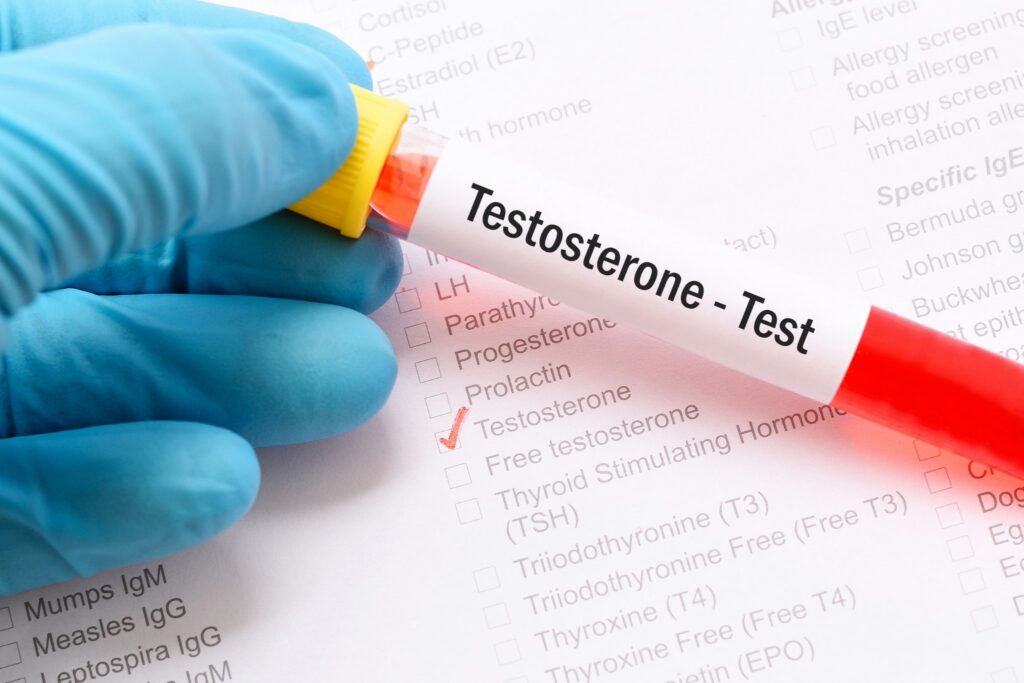
Why Testosterone Matters More When Estrogen & Progesterone Decline
As estrogen and progesterone decline, testosterone becomes one of the most important remaining anabolic and neurological hormones in a woman’s body.
It doesn’t replace estrogen or progesterone — but it buffers the loss of their protective effects.
Micronutrient support that improves testosterone signaling helps stabilize many of the systems that estrogen and progesterone once supported.


Why Micronutrient Support Becomes Critical During Hormonal Decline
Micronutrients play a critical role here. Rather than forcing hormone levels, targeted micronutrient support helps the body:
- Produce hormones more efficiently
- Improve hormone receptor sensitivity
- Reduce oxidative stress that suppresses hormone signaling
- Support cellular energy required for hormone activity
For many women, improving how the body uses testosterone can meaningfully soften the impact of estrogen and progesterone decline — supporting clearer thinking, steadier energy, and greater resilience through perimenopause, menopause, and post-menopause.
When these systems are supported, women often report:
- More stable mood and emotional resilience
- Improved sleep quality
- Better stress tolerance
- Less brain fog
- Improved energy and motivation

Stress, Cortisol, and the Hormone Cascade
Hormonal transitions don’t happen in a calm environment.
Modern women often enter perimenopause already depleted — juggling careers, families, disrupted sleep, and chronic stress. Elevated cortisol can further suppress hormone signaling and accelerate symptoms.
Micronutrients that support adrenal resilience, mitochondrial function, and nervous system regulation can help blunt this stress-driven amplification.
This doesn’t mean stress disappears — but the body becomes more adaptable and resilient.

Supporting Hormones Naturally
It’s important to clarify: micronutrient support is not about forcing hormones or masking symptoms.
Instead, it’s about:
- Supporting the tissues that depend on hormones
- Improving cellular efficiency as hormone levels shift
- Reducing oxidative and inflammatory burden
- Helping the body adapt gracefully rather than struggle
For many women, this approach can be used alone or alongside other strategies, depending on their individual needs and stage of life.


Perimenopause to Post-Menopause: A More Empowered, Supportive Approach to Women’s Health
Hormonal decline is not a failure of the body — it’s a signal that the body’s needs are changing.
When those needs are met with targeted nutritional support, women often discover they don’t have to feel like a diminished version of themselves. Instead, many report feeling clearer, calmer, and more grounded than they have in years.
The goal isn’t to turn back the clock.
It’s to support the body so it can move forward with strength, clarity, and resilience.