
If you have ever gone on a diet with your partner, you know: men make dieting look easy.
A married couple can go on the same diet for the same time. While the husband loses 25 pounds, the wife only loses 10 pounds (most likely in the area she loved the most).
But is it true? Do men lose weight more quickly than women? And if so, why?
Weight & The Female Anatomy
The female anatomy is designed to metabolize food slower than the male anatomy. This is a result of the hormones estrogen and progesterone.
These hormones help regulate the menstrual cycle and help store fat in specific body areas (mainly the hips, thighs, and buttocks). Unfortunately, these areas are notoriously difficult to trim down and produce a slender look.
Thanks to the foods we eat and our body’s ability (or inability) to burn fat, adipose tissue accumulates in different places for each of us. When we gain weight rapidly, this process speeds up even more: it takes less time for fatty deposits to accumulate.
So while women store fat around their waist and thighs, men tend to accumulate most weight around their stomachs. This is why men appear slimmer from a distance but have that big beer belly when you get up close and personal!

How The Body Breaks Down And Stores Fat
Let’s create a timeline of what happens when you have a burger for lunch.
When you eat, carbohydrates are broken down into glucose. This glucose is then used as energy or stored for future use. When your meal contains more carbs than can be burned for fuel right away, the excess will turn into fat and accumulate in adipocytes (fat cells) around your body.
This isn’t always a bad thing. Your body needs fat to burn for energy. However, if your body has plenty of carbs to use first, it won’t target fat cells, so that stored fat will stay exactly where it is.
Why Do Women Find It Harder Than Men To Lose Weight?
1. Women have a slower metabolism due to the hormones estrogen and progesterone.
Since women have higher levels of estrogen and progesterone, lactose (an enzyme that breaks down milk sugar) cannot break apart fat molecules, so they remain intact until they reach the colon.
This means that the body burns fewer calories at rest, making it more difficult to lose weight.
It’s not just about how many calories we eat; it’s also about how many we burn off! Our bodies expend the energy (measured in calories) called our basal metabolic rate (BMR). This is the number of calories our bodies need to maintain vital functions such as breathing, digesting food, and keeping our hearts beating.
It varies from person to person depending on age, muscle mass, and genetics. But on average, women have a BMR of approximately 100300 kcal/day lower than men!
Additionally, because estrogen slows down metabolism, resulting in fewer calories burned throughout the day, an increase in calorie consumption leads directly to weight gain when you’re female! This can be incredibly frustrating when losing that excess weight after dieting.
2. Women have lower levels of leptin and higher rates of ghrelin.
In addition to a slower metabolism, women have lower levels of leptin and higher rates of ghrelin. Leptin is the hormone that signals satiety (feeling full) when you eat. Ghrelin is released by cells in your stomach and pancreas just before eating, stimulating appetite, so you get hungry for another meal!
So while men are busy digesting their food at rest, women’s bodies are signaling them to go hunt down some more calories!
This also explains why overweight people tend to be hungrier than individuals of a lower rate, because they’re burning fewer calories from being sedentary!
Obese women who lose weight experience an increase in hunger due to this imbalance. Paired with our slow metabolisms means you’re fighting an uphill battle when it comes to weight loss.
3. Women have a higher body fat percentage and lower lean muscle tissue.
One of the reasons men have an easier time losing weight is because they have more lean muscle tissue than women. Progesterone stimulates your body to store more fat. This already puts women at a disadvantage.
Muscle burns more calories at rest than fat does, so the more muscle mass you have, the more calories you burn even when you’re not working out!
In addition, fat cells contain more lipoprotein receptors than muscle cells, meaning that fatty acids can quickly enter the cell and be stored as triglycerides (a type of fat).
In contrast, muscle cells have a low concentration of these receptors, making it harder for fatty acids to get in. This means that women tend to store more body fat than men and have a tougher time burning it off!

4 Additional Processes That Affect Weight In Women
Weight loss is an ongoing struggle for most women: and this is exacerbated by the design of the female body.
Women’s bodies go through many processes over the course of a month to a lifetime. All of which encourage cravings, cause weight gain and prevent weight loss.
Some of these processes include menstruation, puberty, pregnancy, and menopause. Each one of these presents different challenges when it comes to weight loss.
Puberty
Girls go through puberty at a younger age than boys, which means their bodies are going through more changes. These hormonal changes cause girls to store more fat around their hips and thighs—which is the opposite of what most teenage girls want.
In addition to increased body fat, girls also have increased leptin levels (the hormone responsible for telling your brain you’re full). This combination makes it very difficult for teenage girls to lose weight.
Menstruation
Premenstrual syndrome (PMS) occurs in the week before a woman’s period when her levels of estrogen and progesterone drop. These hormones are responsible for many of the symptoms of PMS, including cravings for sweet or salty foods.
Three out of every four women have experienced some form of PMS, including:
- Cravings
- Water retention
- Mood swings
- Bloating
Water retention in particular can make it hard for women to see weight loss results. Many women feel bloated and appear bigger than they normally would. This can also make it very difficult to lose weight, as the body holds on to excess fluid.
Pregnancy
A woman’s body changes dramatically when she becomes pregnant. Her hormone levels change, her blood volume increases, and her body starts to store fat for breastfeeding.
Unfortunately, these changes make it more difficult for a woman to lose weight after pregnancy. Your body will lose some weight during childbirth, but much of that fat needs to be burned off to see yourself return to what you looked like before.
As a result, 80% of women take more than three months to return to their pre-pregnancy body. Many take even longer to keep the weight off.
Menopause
Menopause is a time when a woman’s body stops producing estrogen. This change can cause many problems, including:
- Hot flashes
- Mood swings
- Bone loss
- Vaginal dryness
In addition, many women find that they start to put on weight after menopause, as their metabolism slows down and they become less active. This can make it extremely difficult to shed pounds during and post-menopause.

So What Can You Do About This Information?
The good news is that there are ways to help counteract some of these weight-gaining disadvantages. These 3 tips can help you counteract weight gain and boost your metabolism in a natural way.
1. Try to include more lean protein in your diet.
This helps boost metabolism. Good protein sources include:
- Meat
- Fish
- Poultry
- Eggs
- Legumes
- Dairy products
In addition, make sure you’re getting enough fiber, as this will also help speed up digestion. Sources of fiber include fruits, vegetables, whole grains, and legumes.
2. Be active!
Being a woman isn’t all bad in terms of weight loss! You actually have an advantage over your male counterparts when it comes to shedding weight through exercise.
Compared with men, women use more fat for energy than carbohydrates when exercising. Exercise burns calories and helps to increase leptin levels and decrease ghrelin levels. This means you’ll feel fuller after eating and be less likely to snack between meals.
Moreso, by incorporating weight training into your routine, you can help build muscle mass, boost your metabolism, and promote weight loss – even while you’re resting!
What’s more, strength training helps build muscle mass, boosting your metabolism even at rest. In addition to weight-lifting, high-intensity interval training (HIIT) is a great way to burn off those extra calories and lose weight faster.
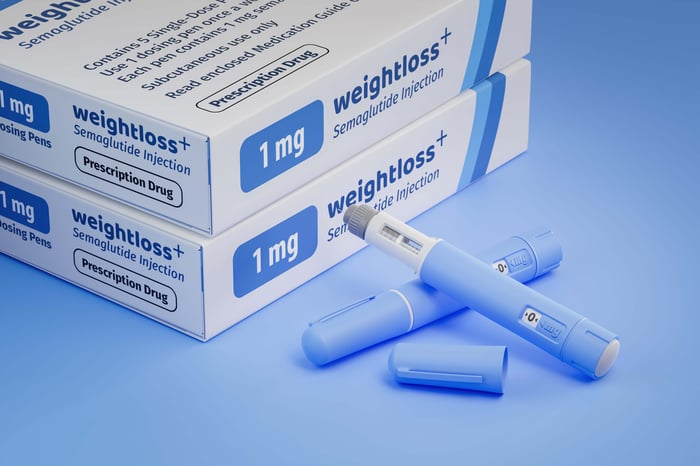
3. Try peptides.
Peptides, naturally occurring amino acids found in the body, affect how your body reacts to diet and exercise. Certain peptides may enhance and stimulate your body’s own production of human growth hormone, which directly impacts your strength and energy levels.
Peptides can also impact your appetite. When certain peptide levels are higher in the body, you feel fuller faster and are able to fight off sugar cravings.
As we age, the level of these peptides in the body naturally decreases. This impacts our ability to keep weight off and can lead to stubborn weight gain. If you’re struggling to lose weight, peptides can be a simple way to restore your body’s metabolism without excessive dieting or overly strenuous exercise.
4. Have your hormones evaluated.
If you find that you don’t get the results you need from diet and exercise—or you’re too drained to maintain an exercise routine or diet—you may have a hormonal imbalance.
As mentioned above, your hormones play a key role in your ability to lose weight. When your levels are off, even by a small amount, you can experience unexplained weight gain and have a harder time keeping the weight off.
Hormonal imbalances can also cause a number of other frustrating symptoms that impact your quality of life, including:
- Fatigue and low energy levels
- Mood swings
- Dry skin
- Brittle hair and hair loss
- Vaginal dryness
If your typical weight loss strategies just aren’t cutting it, it may be time to consider having your levels tested. Your doctor can help you restore your hormone balance using Bioidentical Hormone Replacement Therapy, a natural treatment option based on your specific hormone levels.
5. Sign up for the Trim & Fit weight loss program.
Losing weight on your own can be a challenge, particularly when you aren’t sure what the underlying cause of your weight gain is. Trim & Fit is a medically supervised weight loss program specifically designed to identify why you’re having a hard time losing weight and to treat the problem naturally.
Trim & Fit combines peptides, exercise, nutrition, and supplements to help you shed those extra pounds. Then, using your personal bloodwork, your medical advisor will measure your improvement throughout the program to help you stay on track and feel your best.

Keep The Weight Off For Good With The Resurge Clinic
The female body has some unique challenges when it comes to losing weight. As a woman, it can feel like the odds are stacked against you. However, by following the steps above, you can fight back against unwanted weight gain, improve your overall health, and feel good about the way you look.
If you need a helping hand with your weight loss journey, schedule a weight loss consultation with The Resurge Clinic. Our medical experts will help create a custom weight loss plan specific to your body, health goals, and lifestyle.