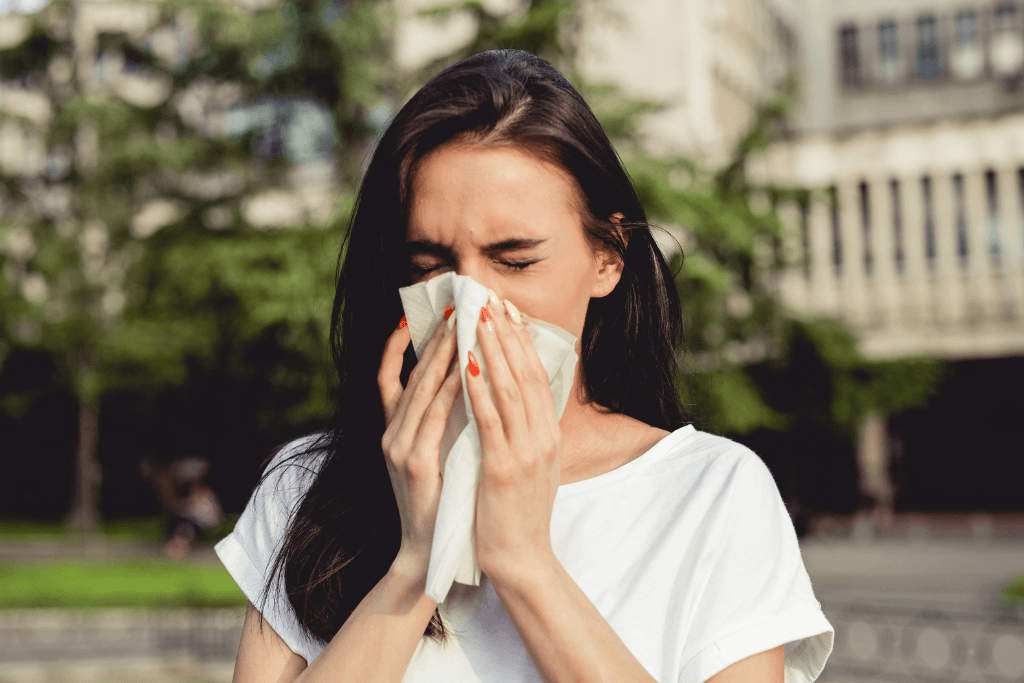
If you’ve lived in North Texas for more than a year, you’ve probably experienced it.
One day you’re enjoying beautiful weather. The next, your eyes are itchy, your nose won’t stop running, and you’re wondering why you suddenly feel exhausted.
Texas has one of the longest and most intense allergy seasons in the country. Cedar, oak, elm, ragweed, grasses, mold spores, and dust all contribute to allergy symptoms that can linger nearly year-round.
While antihistamines may temporarily reduce symptoms, they don’t address the underlying factors that contribute to an overactive immune response.
At The Resurge Clinic in Weatherford, we believe the best approach combines reducing your exposure to allergens while supporting your body’s natural ability to regulate inflammation and immune function.
Here are our favorite natural strategies.
1. Clean the Air You Breathe
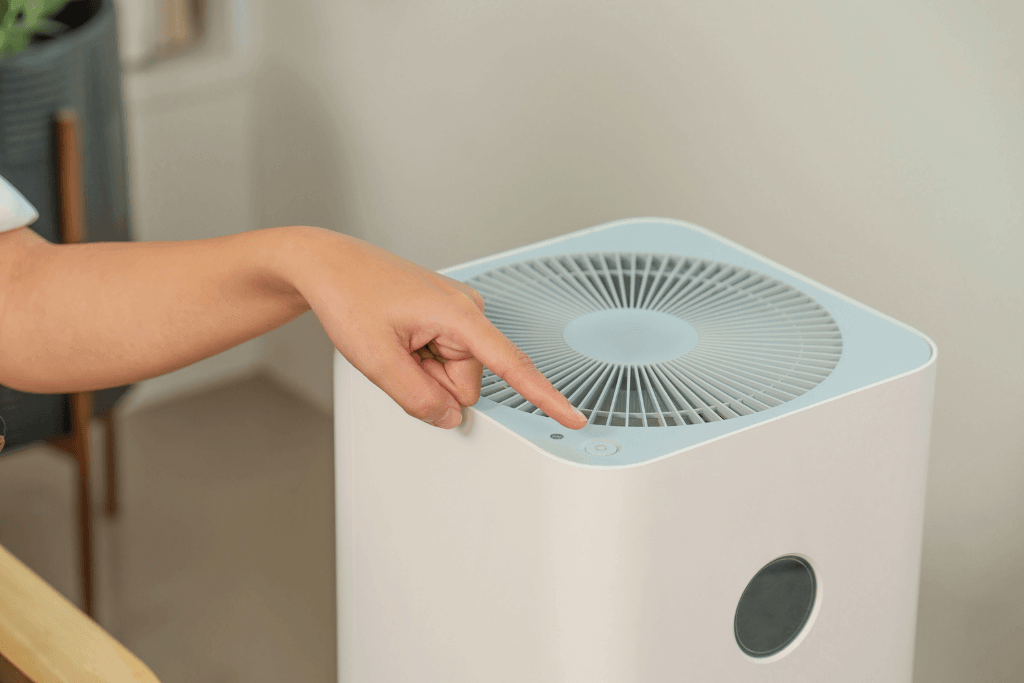
Your home should be your sanctuary—not another source of allergens.
A quality True HEPA air purifier can remove 99.97% of airborne particles down to 0.3 microns, including pollen, mold spores, dust mites, and pet dander.
For best results:
- Place one in your bedroom.
- Use another in your main living area.
- Replace filters as recommended by the manufacturer.
- Change your HVAC filter every 2-3 months (MERV 11-13 if your system supports it).
Since we spend roughly one-third of our lives sleeping, improving your bedroom air quality can make a noticeable difference.
2. Keep Windows Closed During High-Pollen Days

Fresh air feels wonderful—but during allergy season it often comes with millions of microscopic hitchhikers.
When pollen counts are high:
- Keep windows and doors closed.
- Use your air conditioner instead.
- Run your home’s fan to circulate filtered air.
This simple habit dramatically reduces the amount of pollen entering your home.
3. Reduce Hidden Chemical Irritants
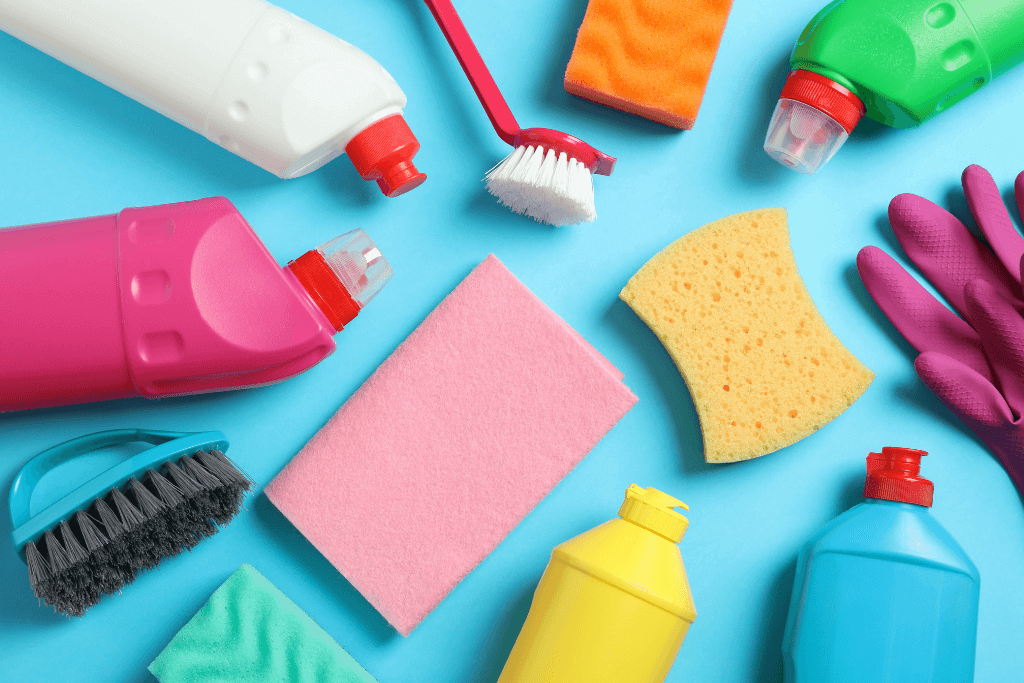
Not every “allergy” trigger comes from nature.
Many common household products release volatile organic compounds (VOCs) that can irritate the eyes, nose, throat, and lungs.
Whenever possible, choose:
- Fragrance-free cleaning products
- Natural household cleaners
- Unscented laundry detergent
- Unscented candles (or skip them entirely)
- Avoid aerosol sprays and artificial air fresheners
Reducing unnecessary chemical exposure helps decrease the overall burden placed on your immune system.
4. Protect Your Skin Barrier

Most people think allergies only affect the nose and lungs.
But your skin is your body’s first line of defense.
A healthy skin barrier helps keep environmental irritants out while preventing excess moisture loss. When that barrier becomes damaged, skin can become more reactive and irritated.
If you’ll be outdoors, choose a mineral sunscreen made with zinc oxide or titanium dioxide.
Unlike chemical sunscreens that absorb into the skin before converting UV energy into heat, mineral sunscreens sit on the skin’s surface and physically reflect much of the sun’s rays. They’re also generally better tolerated by people with sensitive skin.
Be sure your sunscreen provides broad-spectrum protection, meaning it protects against both:
- UVA rays, which penetrate deeper into the skin and contribute to premature aging and long-term skin damage.
- UVB rays, which are primarily responsible for sunburn.
Both types of ultraviolet light can damage the skin, so protection against both is important.
5. Change Your Clothes When You Get Home

Pollen doesn’t just stay outside—it clings to your clothing, shoes, hair, and even your skin.
After spending time outdoors, change into clean clothes as soon as you get home to avoid spreading allergens throughout your house.
If you’ve been outside for an extended period, taking a quick shower and washing your hair before bed can make an even bigger difference.
6. Check the Daily Pollen Count

Some days are much worse than others.
Checking the pollen forecast before heading outside can help you plan yard work, exercise, golf, or other outdoor activities when pollen levels are lower.
On especially high-pollen days:
- Keep windows closed.
- Wear sunglasses outdoors to reduce pollen exposure to your eyes.
- Limit prolonged outdoor activities when possible.
We recommend checking the National Allergy Bureau’s pollen report before planning your day.
7. Don’t Forget Your Four-Legged Family Members

Dogs are excellent pollen collectors.
Their fur and paws easily pick up pollen, grass, and other allergens that end up on your floors, furniture, and bedding.
After walks or outdoor playtime, wipe their paws and coat with a damp towel or pet-safe grooming wipe before they come inside.
8. Control Indoor Humidity
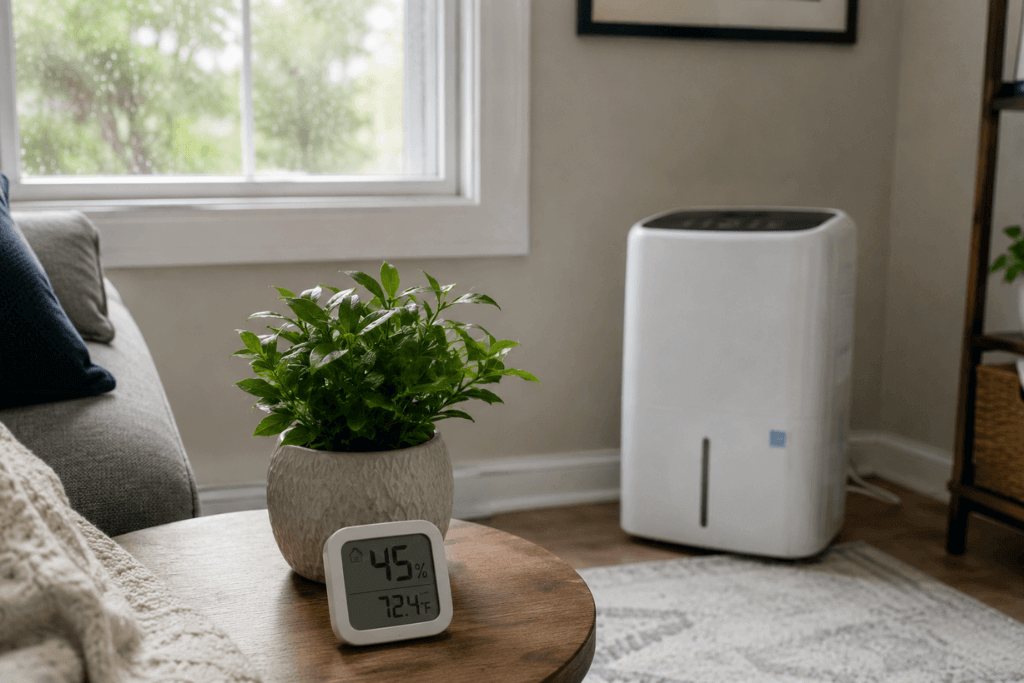
Dust mites and mold thrive in humid environments.
Aim to keep your home’s humidity between 30% and 50%.
A simple hygrometer can help you monitor humidity, while a dehumidifier may be helpful if your home tends to stay damp.
9. Rinse Away Pollen

One of the simplest—and most overlooked—ways to reduce allergy symptoms is to physically remove pollen before it has a chance to trigger inflammation.
Using a saline nasal rinse (with sterile, distilled, or previously boiled water) can help flush pollen, dust, and other irritants from the nasal passages.
Many patients find this especially helpful after spending time outdoors.
10. Prioritize Foods That Support a Healthy Immune System

While no food can “cure” allergies, your diet plays an important role in supporting a healthy inflammatory response.
Focus on:
- Colorful fruits and vegetables
- Healthy fats
- Lean protein
- Fiber-rich foods
- Staying well hydrated
The healthier your immune system functions, the better it can distinguish between true threats and harmless environmental allergens.
11. Get Enough Sleep

Sleep is when your body repairs and regulates immune function.
Poor sleep has been linked with increased inflammation and may make allergy symptoms feel even worse.
Aim for seven to nine hours of quality sleep each night whenever possible.
12. Physician-Guided Therapies for Persistent Allergies

Sometimes lifestyle changes aren’t enough.
For patients with persistent symptoms, physician-supervised therapies may help support a healthier immune response.
At The Resurge Clinic, we may evaluate whether therapies such as Amlexanox or Thymosin Alpha-1 (TA1) are appropriate based on your individual health history.
Amlexanox is an anti-inflammatory and immune-modulating medication that has demonstrated the ability to reduce mast cell activation and dampen certain allergic inflammatory pathways.
Thymosin Alpha-1 is a naturally occurring peptide involved in immune regulation. Rather than simply stimulating the immune system, it helps support balanced immune function and is being studied for its role in promoting healthy immune responses.
These therapies aren’t right for everyone, which is why individualized medical guidance is essential.
The Bottom Line

Living in Texas doesn’t mean you have to accept allergy symptoms as “normal.”
By reducing your exposure to pollen, supporting your skin and immune system, improving indoor air quality, and working with a knowledgeable physician when needed, you can often breathe easier and enjoy the outdoors again.
If seasonal allergies are affecting your quality of life, The Resurge Clinic can help you identify potential contributors and develop a personalized plan designed specifically for you.
Schedule a consultation today and discover a root-cause approach to seasonal allergies.